How the Right Choice Impacts Your Plant’s Efficiency, Cost, and Growth
Modern Ice Equipment & Supply
Not all ice is the same and the way it’s produced can have a lasting impact on your operation.
From handling and storage to labor, maintenance, and throughput, the choice between wet and dry ice production goes far beyond product type. It directly affects how efficiently your plant runs today and how well it scales for tomorrow.
We are here to help guide your decision for your operations.
At a Glance: Wet vs. Dry Ice
Before diving deeper, here’s a high-level comparison of how each approach impacts your operation:
One of the most overlooked factors in ice production is how the product moves through your system.
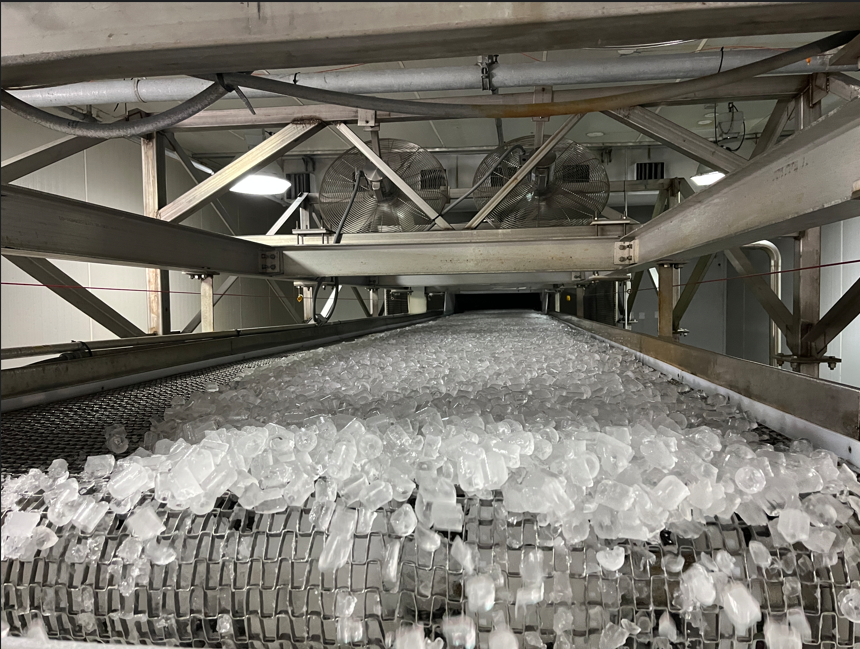
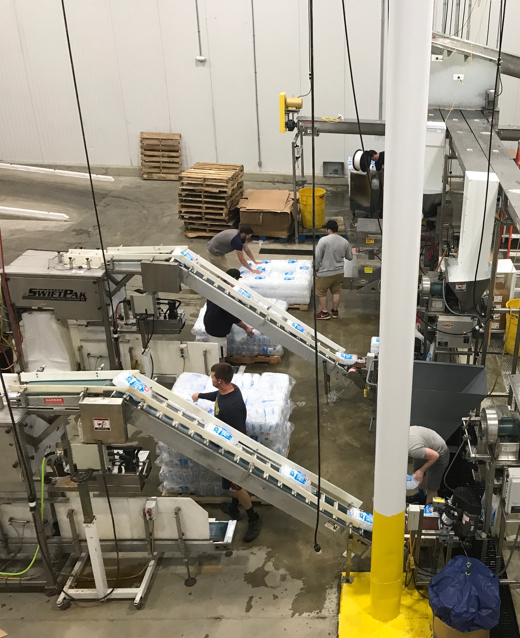
Dry ice, whether fragmented or dried tube, flows more freely through conveying, packaging, and storage systems. This reduces friction points across your operation, leading to:
– Fewer equipment jams
– Less wear and tear on machinery
– Reduced maintenance and service interruptions
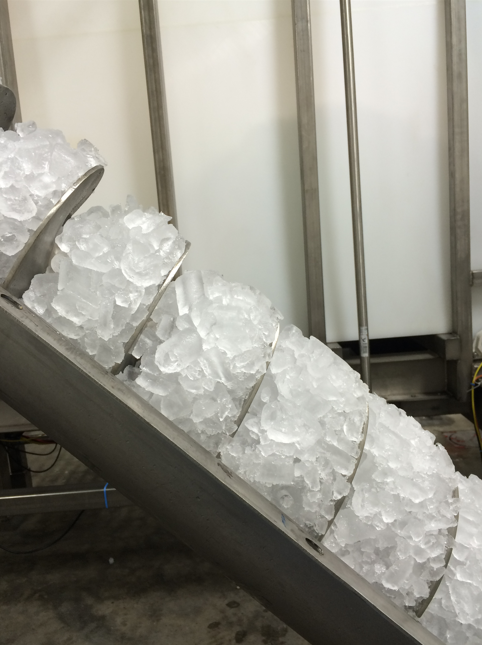
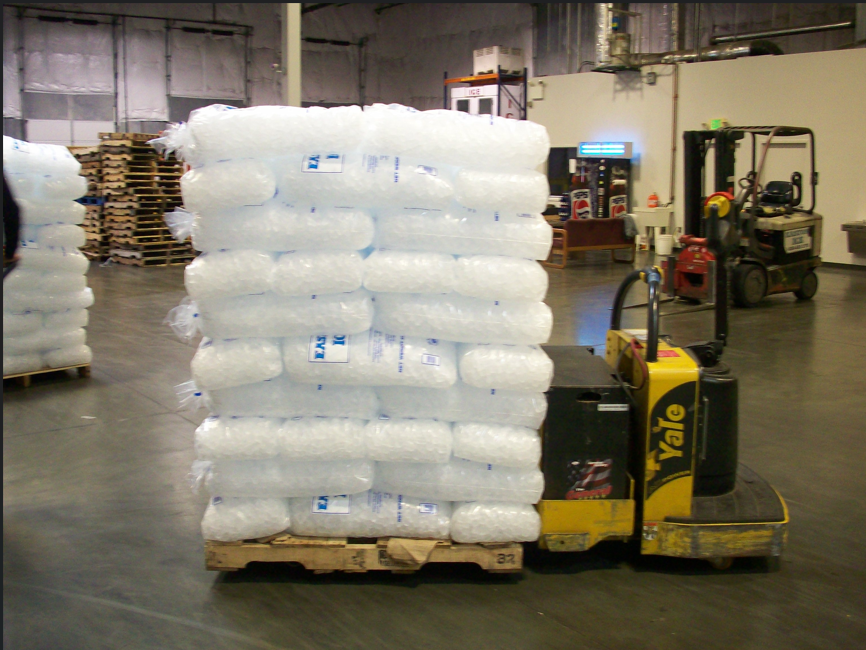
Wet ice, on the other hand, tends to stick and clump together. While manageable in smaller or manual operations, this can create challenges as production scales:
– Increased equipment strain
– More frequent maintenance
– Slower packaging efficiency
Over time, these small inefficiencies can add up to significant operational costs.
2. Production Speed & Throughput
Speed to distribution is another key differentiator.
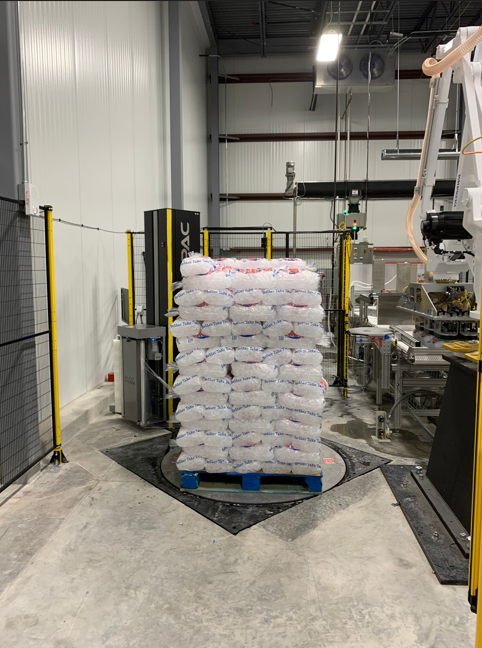
Dry ice can move directly from production to packaging and distribution—no waiting required. This allows operations to:
– Increase throughput
– Reduce bottlenecks
– Respond faster to demand
Wet ice requires a curing process in a freezer before it can be packaged and distributed. While effective, this additional step:
– Extends production timelines
– Limits daily output capacity
– Introduces dependency on freezer availability
Time isn’t just a production factor—it’s a revenue driver. The faster your product moves, the more efficiently your operation performs.
3. Storage & Space Utilization
Storage requirements can significantly impact both operational efficiency and overhead costs.
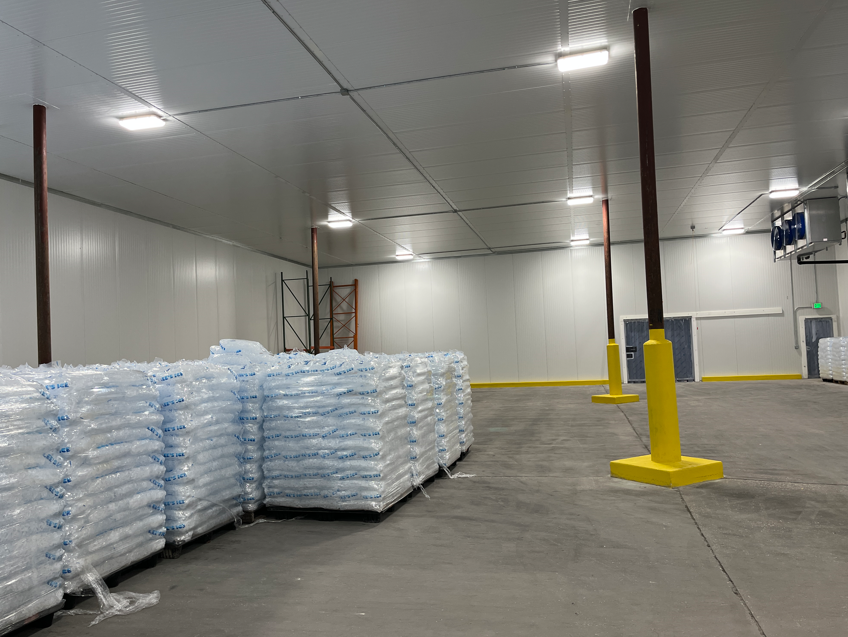
Wet ice requires freezer space to cure and hold product before distribution. This means:
– Increased energy usage
– Greater facility space requirements
– Additional handling steps
Dry ice reduces or eliminates the need for curing storage, allowing for:
– A smaller operational footprint
– Lower energy consumption
– More streamlined product flow
For growing operations, this difference becomes increasingly important as space and energy costs rise.
The Financial Perspective: Upfront Cost vs. Long-Term Value
💰 Upfront vs Long-Term Cost
Category
Wet Ice
Dry Ice
Initial Equipment Investment
Lower upfront cost
Higher upfront investment
Maintenance Requirements
Higher ongoing maintenance
Lower maintenance over time
Choosing the Right Approach for Your Operation
There is no one-size-fits-all solution. The right choice depends on your current operation and where you’re headed.
Wet Ice May Be the Right Fit If You:
Are operating on a smaller scale
Need lower upfront capital investment
Rely on manual processes
Have manageable production demands
Dry Ice May Be the Better Choice If You:
Are planning for growth or expansion
Want to reduce labor dependency
Need higher throughput and efficiency
Are focused on long-term cost control and scalability
Let’s Evaluate Your Operation!
Every operation is unique, and the best solution starts with understanding your specific goals, challenges, and production needs.
If you’re considering a new system or looking to optimize your current setup, our engineering and sales team can help you evaluate the right approach for your operation.