Screw vs. Reciprocating Compressors
Modern Ice Equipment & Supply
The Decision That Impacts Your Production, Efficiency, and Peak Season Reliability.
The wrong compressor decision doesn’t show up on day one.
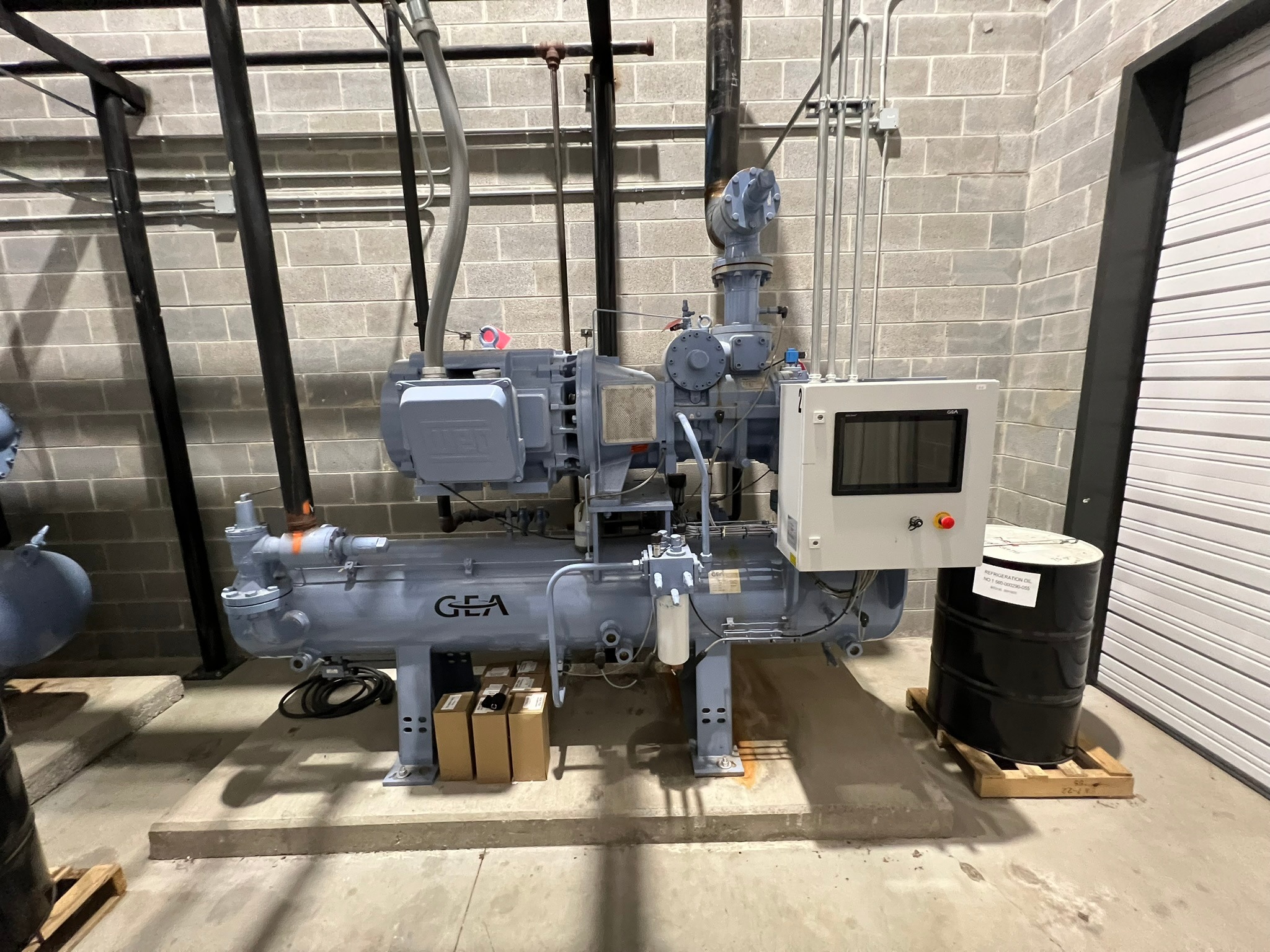
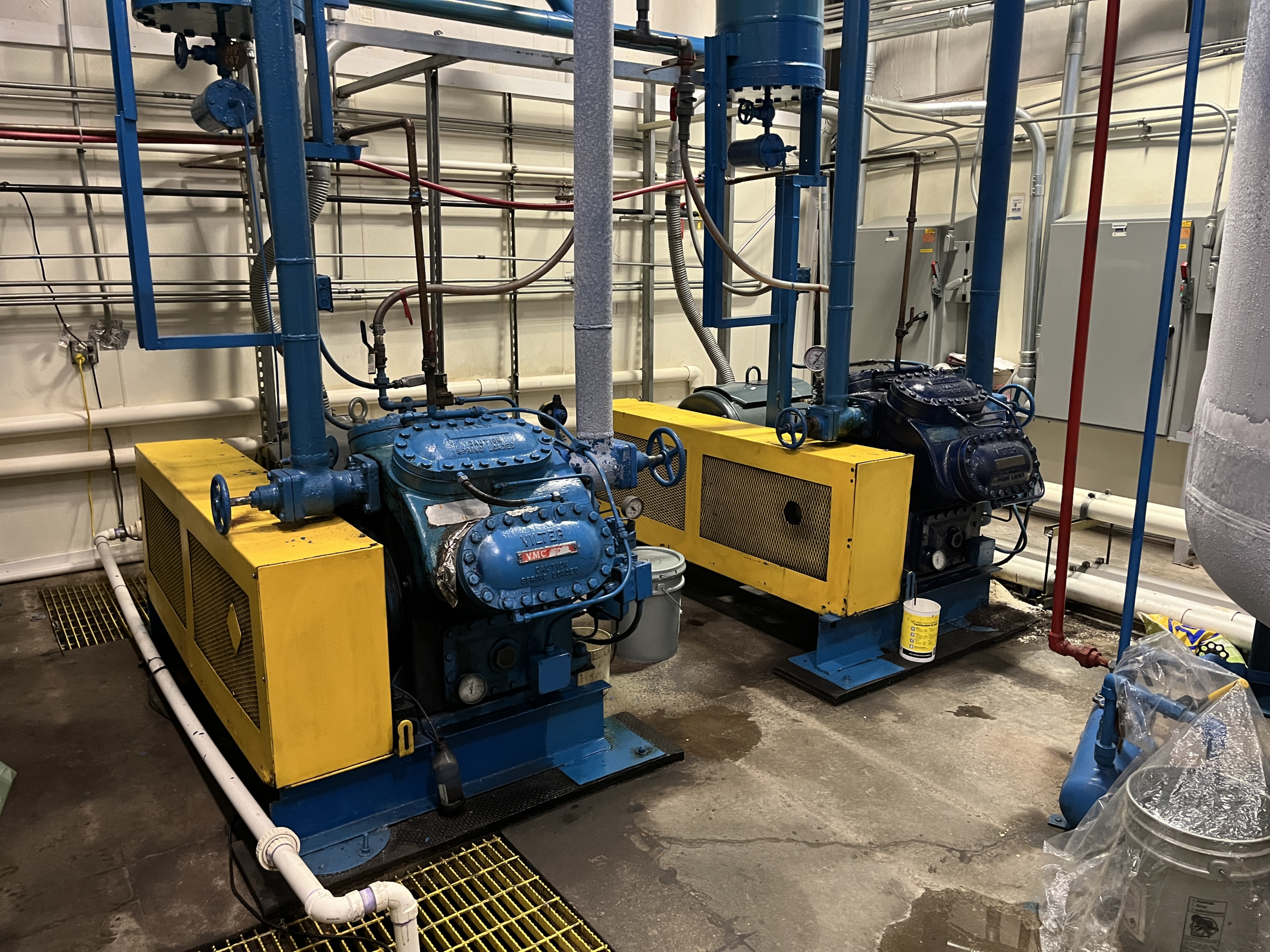
It shows up in July — when demand spikes.
It shows up in your maintenance schedule.
It shows up in energy bills that quietly increase over time.
Choosing between a reciprocating (recip) and screw compressor is a production strategy decision. The right choice affects:
- Uptime during peak season
- Energy efficiency over time
- Maintenance frequency and labor costs
- Your ability to scale production
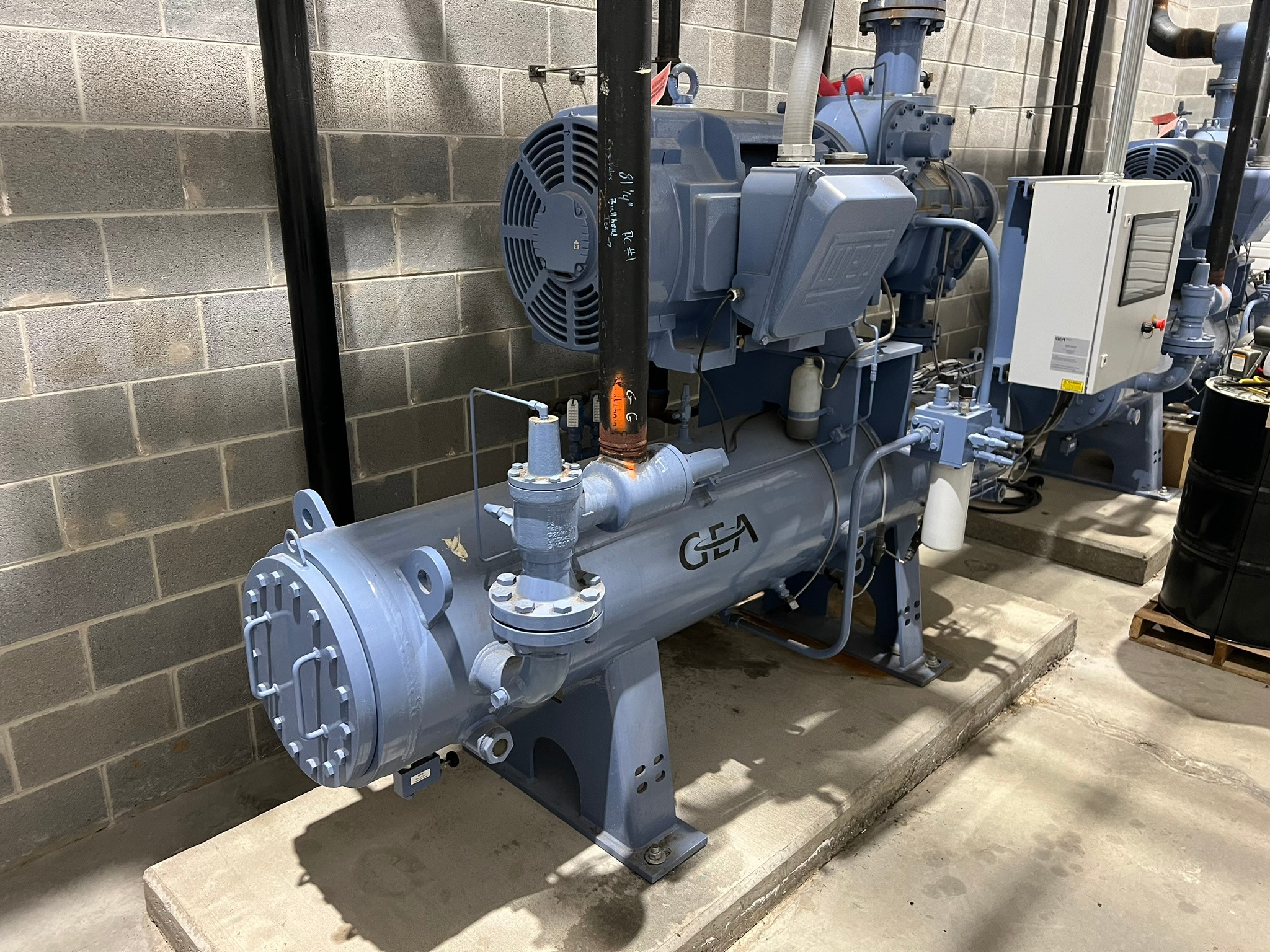
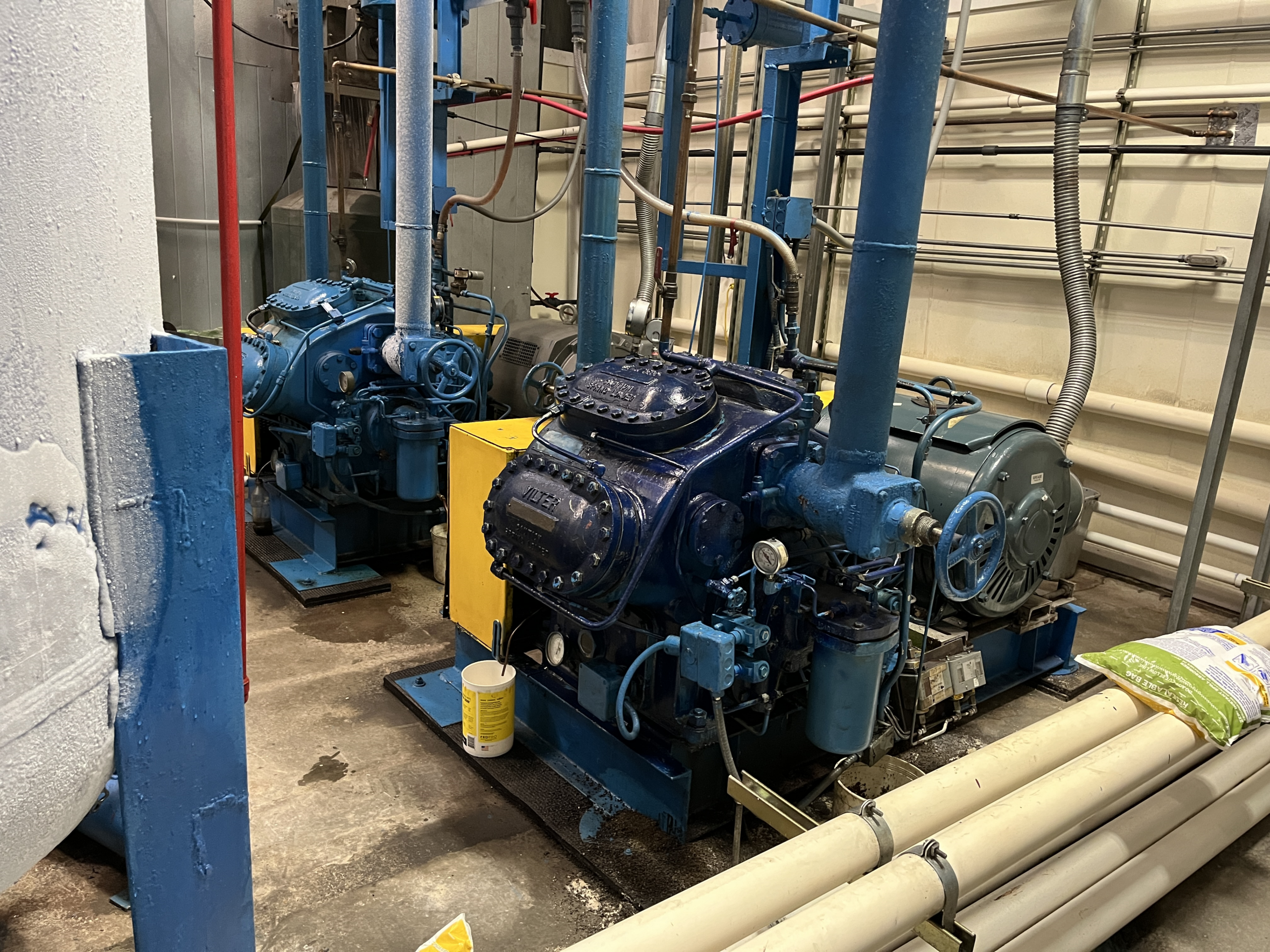
Two compressor types dominate most ice plants: reciprocating and screw compressors. Both have strengths. But the right fit depends on capacity, load profile, and long-term growth plans.
Here’s how to evaluate the difference from an operational and financial perspective.
The 50-Ton Rule: When Scale Changes the Economics
Capacity is often the first and most practical filter.
- — Single ice maker producing 50 tons per day or less: A reciprocating compressor is often a strong fit.
— Multiple ice makers or over 50 tons per day: A screw compressor typically becomes more scalable and financially efficient.
Why?
As production increases, plants often add multiple recips to keep up. Over time, the combined capital, maintenance, and energy costs of multiple units can exceed the lifecycle cost of the screw compressor.
At higher tonnage levels, screws become difficult to ignore- not just technically, but financially.
Maintenance: The Hidden Cost That Impacts Revenue
Upfront cost is easy to compare. Long-term maintenance impact is not.
Reciprocating Compressors:
- Require frequent annual maintenance
- Oil separator performance can impact system efficiency
- Running unloaded for extended periods can accelerate wear
- More service events = more potential downtime
Screw Compressors:
- Longer service intervals
- Improved oil separation (less oil carryover into ice makers)
- Designed for continuous operation
- Minimal downtime during operation
During peak season, even a few hours of downtime can eliminate thousands of dollars in daily production.
Maintenance isn’t just about parts. It’s about production stability when demand is highest.
Financial Imapct
| Cost Category | Reciprocating | Screw |
|---|---|---|
| Initial Investment | Higher upfront | Lower per unit |
| Maintenance Frequency | Higher | Lower |
| Downtime Risk | Moderate to higher over time | Lower in continuous operation |
| Energy Management | Basic controls | Advanced control & modulation |
| Best Fit | Smaller, steady plants | Multi-machine, growth-focused plants |
Important clarification: Lifecycle cost can increase as capacity grows and maintenance frequency rises for recips. Screw systems costs can reduce long-term operational costs in higher-tonnage facilities.
Efficiency Over Time
Efficiency is not static. It changes based on load conditions, controls, and maintenance quality.
Screw compressors offer several operational advantages:
- Ability to run unloaded without damage
- Sophisticated modulation controls
- Better monitoring of energy consumption
- Typically refrigerant-cooled systems (reducing water waste common in recips compressors as they are water-cooled)
Better Controls = Better Data
Better Data = Proactive Energy Management
For plants with seasonal swings or variable production schedules, screws often maintain stronger performance under fluctuating loads.
Planning for Growth
Compressor selection should reflect not just current production — but future direction. Ask yourself:
Reliability During Peak Demand
Ice production rarely follows a flat demand curve.
During peak season:
- Are you planning to add another ice maker?
- Are you increasing automation?
- Do you expect production growth in the next 3–5 years?
- Are energy costs becoming a concern?
- Equipment runs longer hours
- Service availability may be limited
- Production targets increase
Reciprocating systems can serve smaller, steady operations well.
But for plants anticipating expansion, multi-machine integration, or automation upgrades, screw compressors often provide stronger long-term flexibility.
Growth strategy should influence today’s investment decision.
Recips perform well in steady, predictable environments.
However, higher maintenance frequency can increase shutdown risk over time.
Screw compressors are designed for continuous operation, offering greater operational stability when uptime is critical.
When demand spikes, reliability often becomes more valuable than initial price.
Reciprocating vs. Screw Compressor Comparison
| Feature | Reciprocating Compressor | Screw Compressor |
|---|---|---|
| Best Production Range | ≤ 50 tons/day (single machine) | 50+ tons/day or multi-machine |
| Initial Investment | Higher upfront | Lower upfront |
| Scalability | Limited | Highly scalable |
| Maintenance Frequency | Higher | Lower |
| Downtime Risk | Increases with load and age | Lower in continuous operation |
| Energy Controls | Basic | Advanced modulation & monitoring |
| Load Flexibility | Less tolerant of unloading | Can run unloaded without damage |
| Water Usage | Often water-cooled | Typically refrigerant-cooled |
| Best For | Small, steady plants | Growing, high-capacity operations |
Not Sure Which Is Right for Your Operation?
The best decision balances:
- Production capacity
- Energy usage
- Maintenance strategy
- Downtime tolerance
- Growth plans
Our team can evaluate:
- Your current capacity
- Production targets
- Seasonal demand swings
- Long-term expansion plans
We can help model what makes the most financial and operational sense for your plant — not just today, but five years from now.
Let’s review your system and build a plan that supports your production goals.